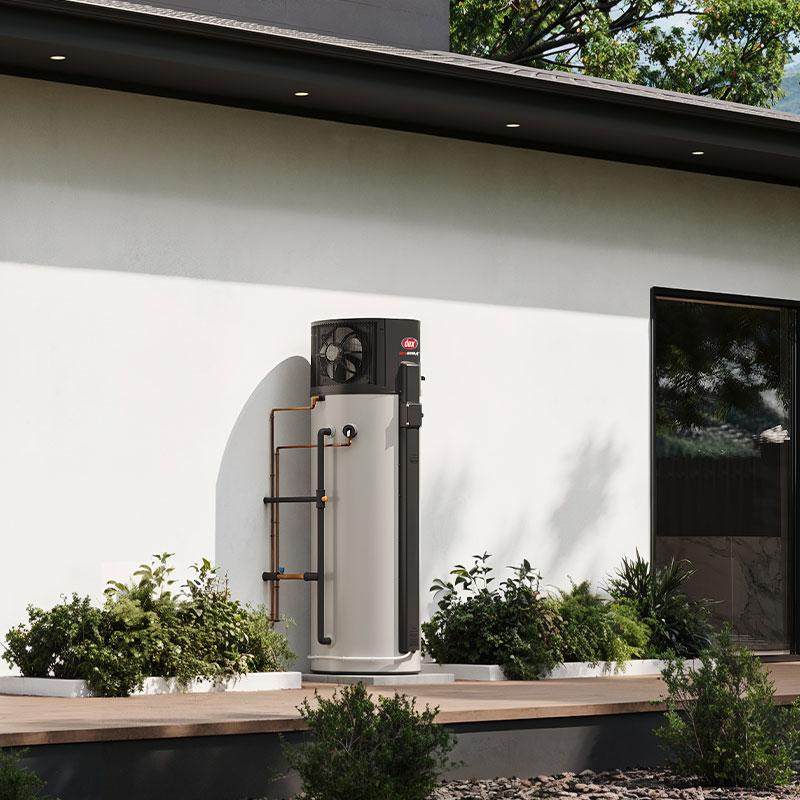

How to Electrify Your Home
Electrifying your home doesn’t need to happen all at once. The most practical approach is to transition gradually; replacing appliances with efficient electric alternatives at end of life or before if it makes economic sense. This allows Australian households to lower their energy bills, improve comfort, and future-proof their homes without major upfront disruption.
Here’s a step-by-step guide to help you plan the transition and make informed decisions along the way.
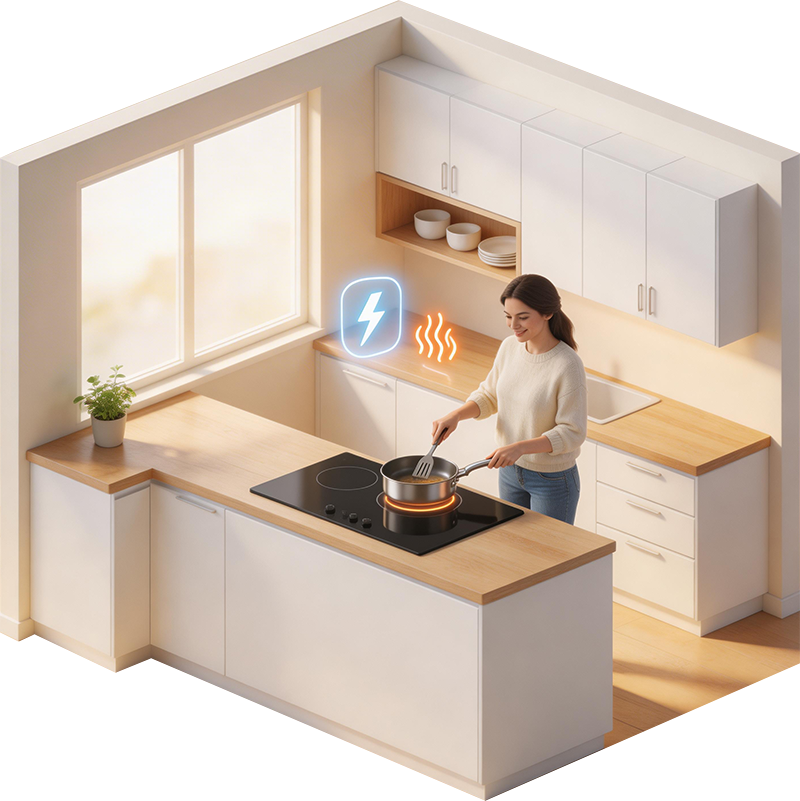
One Step at a Time

Step 1: Take stock of your appliances
Start by listing what you currently have:
- Hot water
- Heating and cooling
- Cooking
- Whether they use gas or electricity
- Rough age of each appliance
This helps you plan replacements instead of rushing decisions.
Step 2: Choose your first upgrade
Some upgrades deliver bigger savings faster, especially when there are rebates available.
Popular first upgrades for Australian homes:
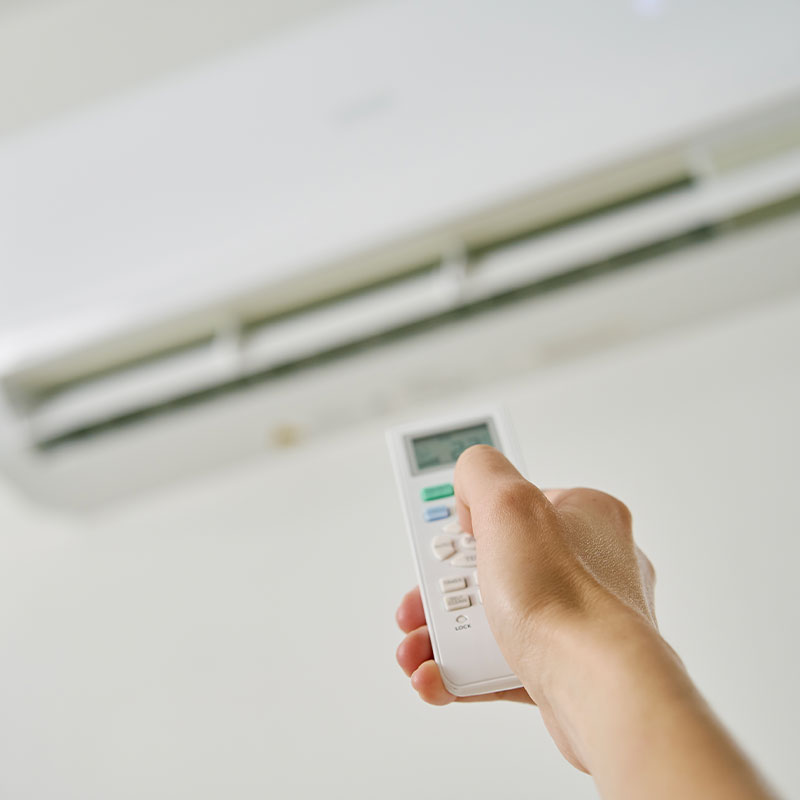
- Heating and cooling (reverse-cycle air conditioning)
- Hot water (electric storage with timer or heat pump water heaters)
- Solar PV panels (if your roof allows)
- Home batteries
These changes can reduce bills immediately.
Step 3: Check your electrical setup
Some homes may need:
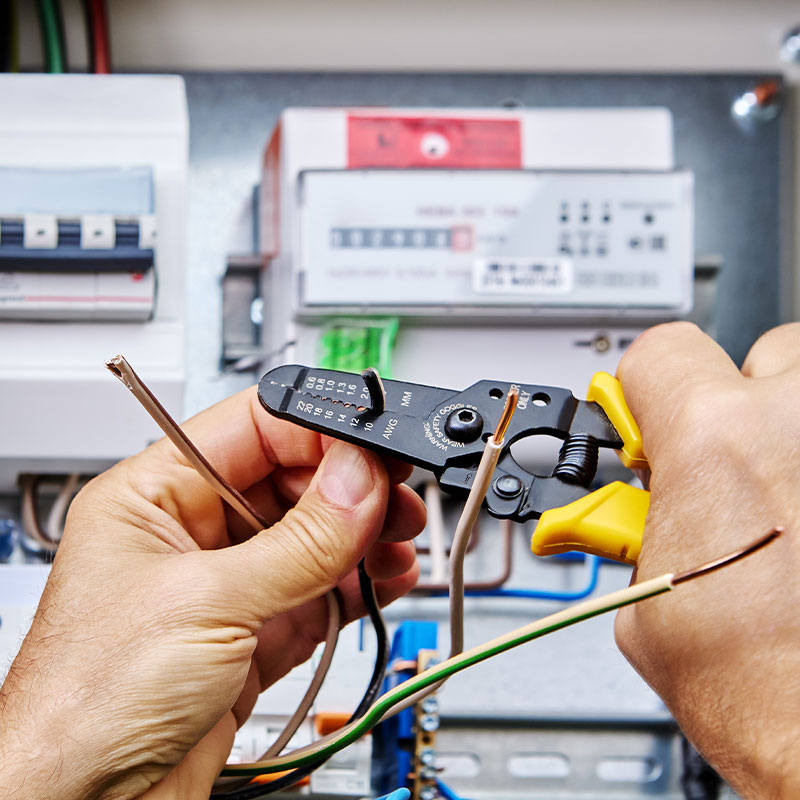
- A switchboard upgrade
- Additional circuits
- Checking which circuits electrical appliances are connected to.
A licensed electrician can assess this quickly. Many homes won’t need major changes. Some homes may require significant electrical upgrades if planning to fully electrify.
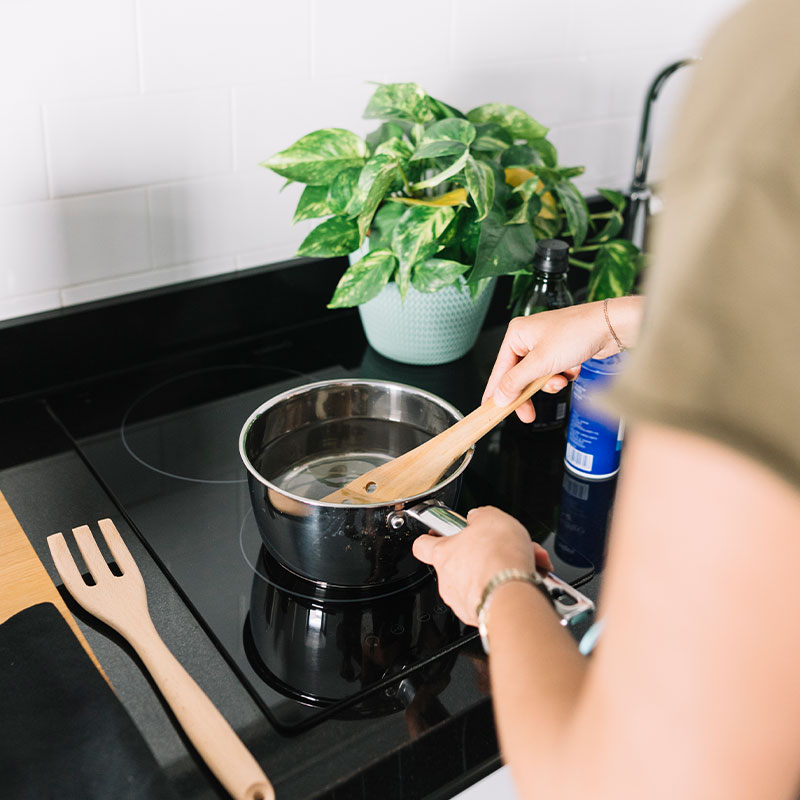
Step 4: Continue upgrading
After making your first appliance upgrade, continue on the journey and upgrade any remaining appliances.
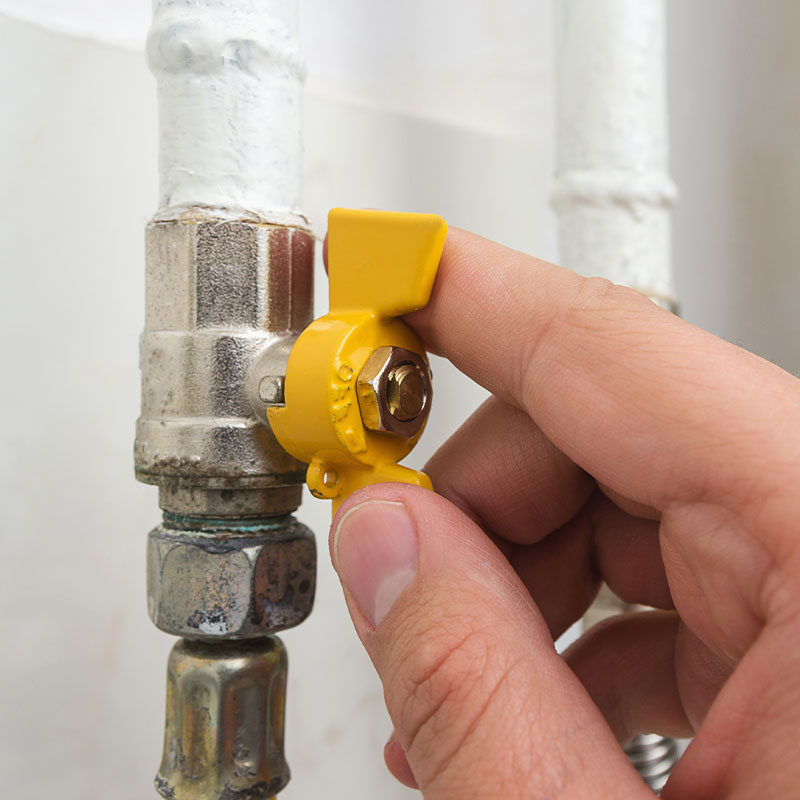
Step 5: Disconnect gas
Once your gas appliances are gone, you can:
- Cancel your gas supply
- Eliminate daily gas connection charges
This is where many households can see additional savings.
What does it cost?
Costs vary by home, location, and rebates, but here are typical Australian ranges excluding installation:
- Reverse-cycle air conditioning: $2,000 – $6,000
- Heat pump hot water: $3,000 – $6,000
- Induction cooktop: $1,000 – $3,000
- Solar panels: $4,000 – $12,000
- Home batteries: $9,000 – $18,000
Government rebates and incentives can significantly reduce these costs depending on your state or territory & eligibility.